We camped at Back Bay for 3 nights


This gentleman cleaned all the Cod for us


We camped at Back Bay for 3 nights
This gentleman cleaned all the Cod for us
Twillingate was one of our favorite stops. The RV Park was on North Twillingate Island. It was an easy walk from the RV Park to the water at “Back Harbor”. Back Harbor faced west so we saw some beautiful sunsets. Back Harbor had the ubiquitous and iconic brightly colored “fishing rooms” around the harbor.
Twillingate is called “The Iceberg Capital of the World” because icebergs drift south on ocean currents from Greenland and Labrador. They often get “stuck” around Twillingate when their bottoms hit the shallower bays. We were too late in the summer to see icebergs (but we did see Humpback Whales). This post is about the area where we were camped. The next page will be about places nearby we traveled to on day trips.
Trivia: Twillingate residents must use extra caution in the spring because Polar Bears and Seals often arrive on the icebergs!
Here is a link to a beautiful blog about Newfoundland: Seasons, Icebergs, Capelin, Whales, and Berries: https://newfoundsander.wordpress.com/icebergs/.


I don’t have a photo but it’s worth mentioning the “Split Peas” at “Twillingate-New World Island Dinner Theatre”. The local ‘actors’ and fantastic musicians put on a hilarious show of all things Newfoundland’ish. We enjoyed it, the food was good too. https://vacationintheisles.com/dinnertheatre/
We’ll end this post with more sunset pics – We didn’t want to leave Twillingate…


The Town of Trinity on Trinity Bay. This town was not on the official ‘agenda’ for the caravan group but was a nice day trip.
Local Trivia: The smallpox vaccine was first introduced to North America in 1799 here in the little fishing village of Trinity by Rev. Dr. John Clinch. Dr. Edward Jenner discovered the vaccine and was a close boyhood friend of Clinch. Jenner had developed the first smallpox vaccine in England using a less dangerous virus derived from cowpox in 1796. Newfoundland was a British colony at the time and Clinch moved to Trinity. He began inoculating his own family then 700 villagers. When nearby Bonavista was being ravaged with smallpox, Trinity proved immune. About 3 years later the vaccine was introduced in the United States.


Below: Many of the Salt Box style homes in Trinity are historically restored/preserved. We enjoyed the morning walking around town.


We visited the Catalina area and enjoyed a walk along a rugged area of Atlantic Coast. Catalina is on the Bonavista Peninsula which is unique for being relatively flat; without cliffs along the shore. When we arrived there was a thick mist coming in and almost a whiteout situation. We walked on narrow paths through a low, mossy/spongy carpet of berries, grasses, and wildflowers.



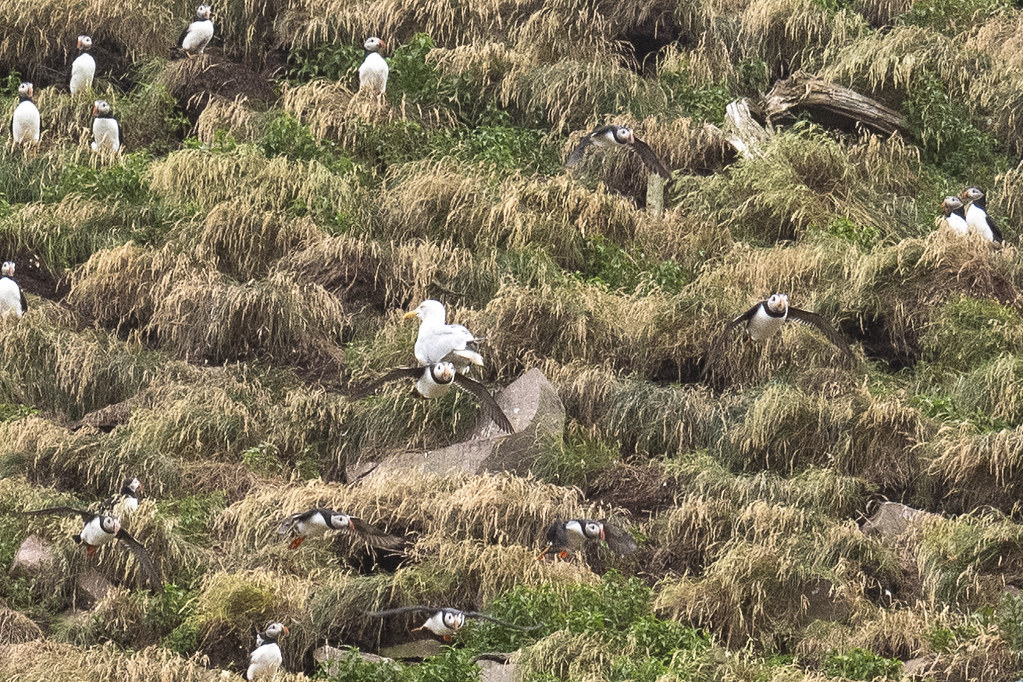
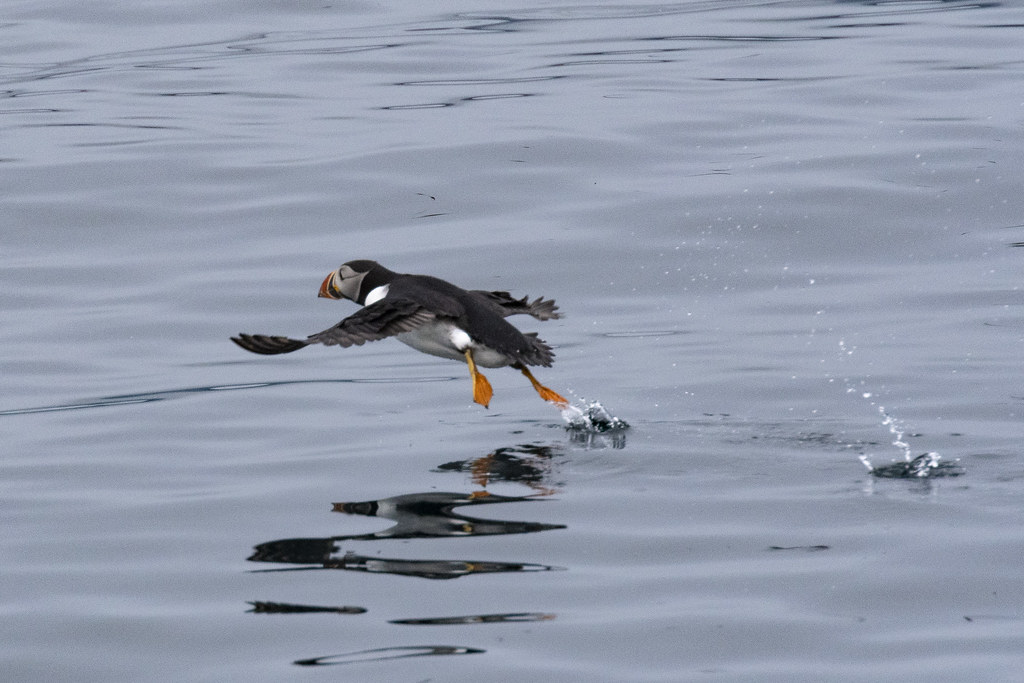
We took a boat tour from “Gatherall’s Puffin and Whale Watch” of Witless Bay which turned out to be just awesome. The boat took us out to several islands comprising the Witless Bay Ecological Reserve. This is the largest Atlantic puffin colony in North America.





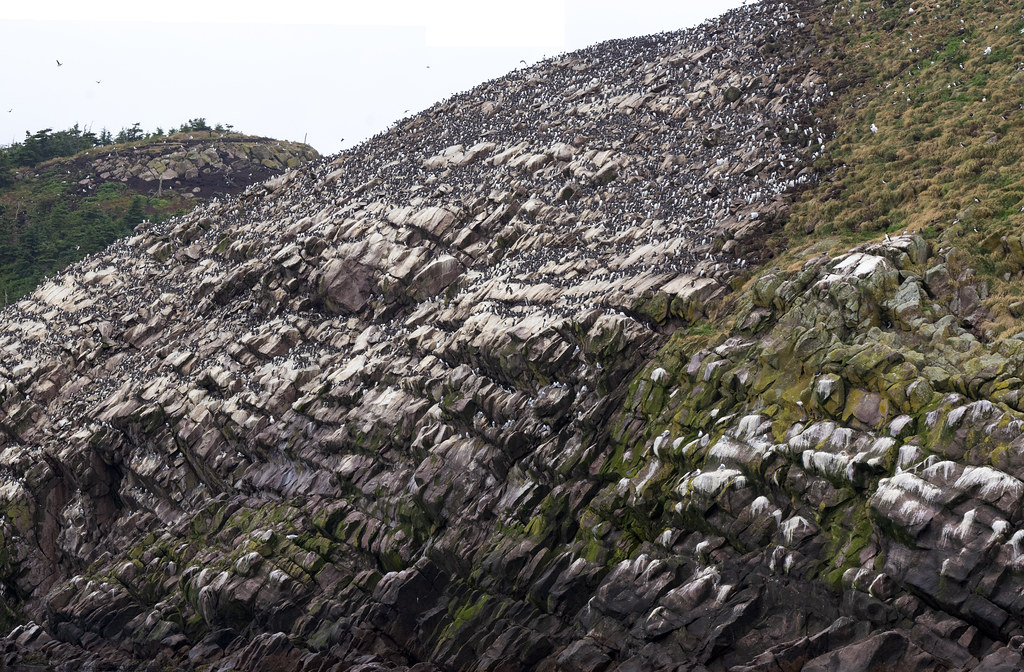


Below are some of the colorful, rugged sea-shore rocks along the coast.

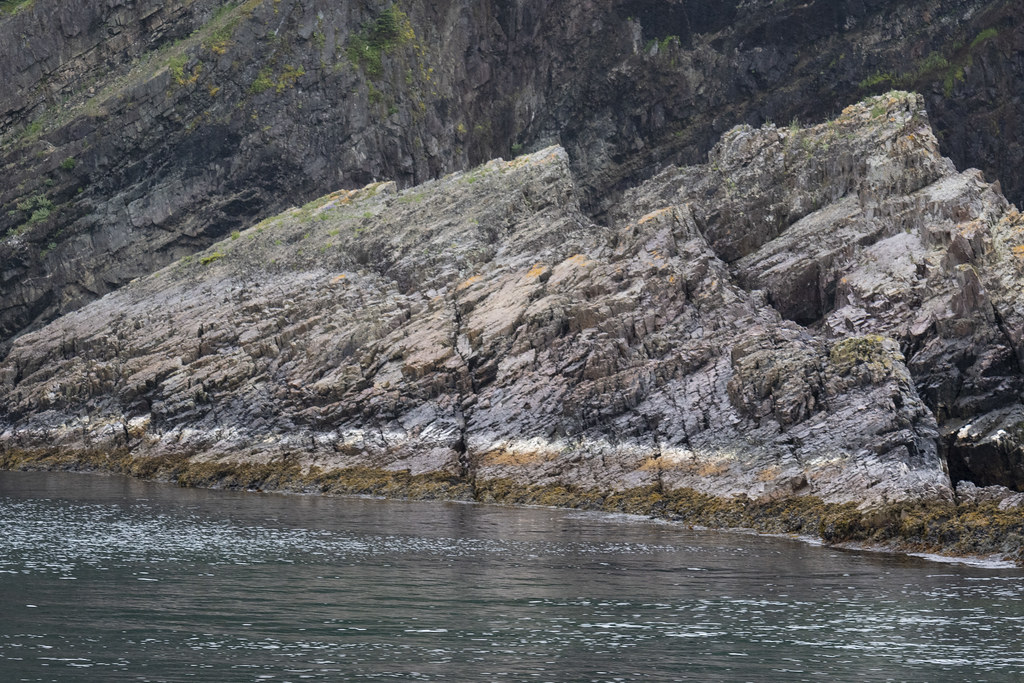
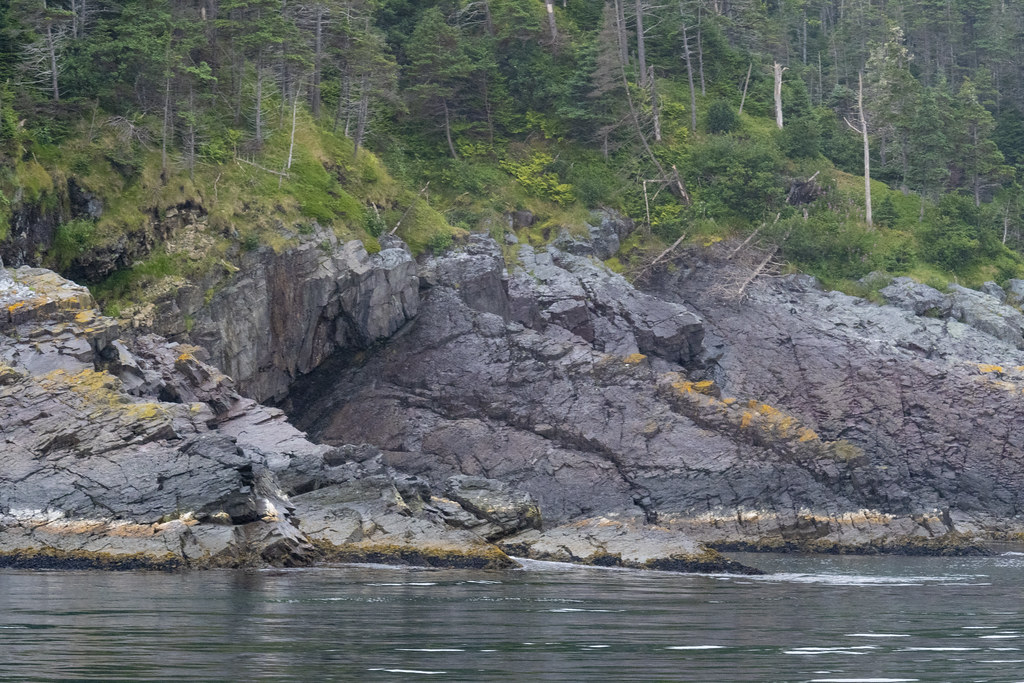

Cape Spear is the ‘easternmost’ point of land in North America. The sun comes up here long before it comes up at the much advertised Acadia National Park, Cadillac Mountain, Maine. It’s difficult to tell how much earlier because Newfoundland is in a different time zone 1-1/2 hours earlier than “Eastern Time”. Most of Canadian Maritime Provinces are 1 hour earlier than Eastern but Newfoundland gets another 1/2 hour earlier.


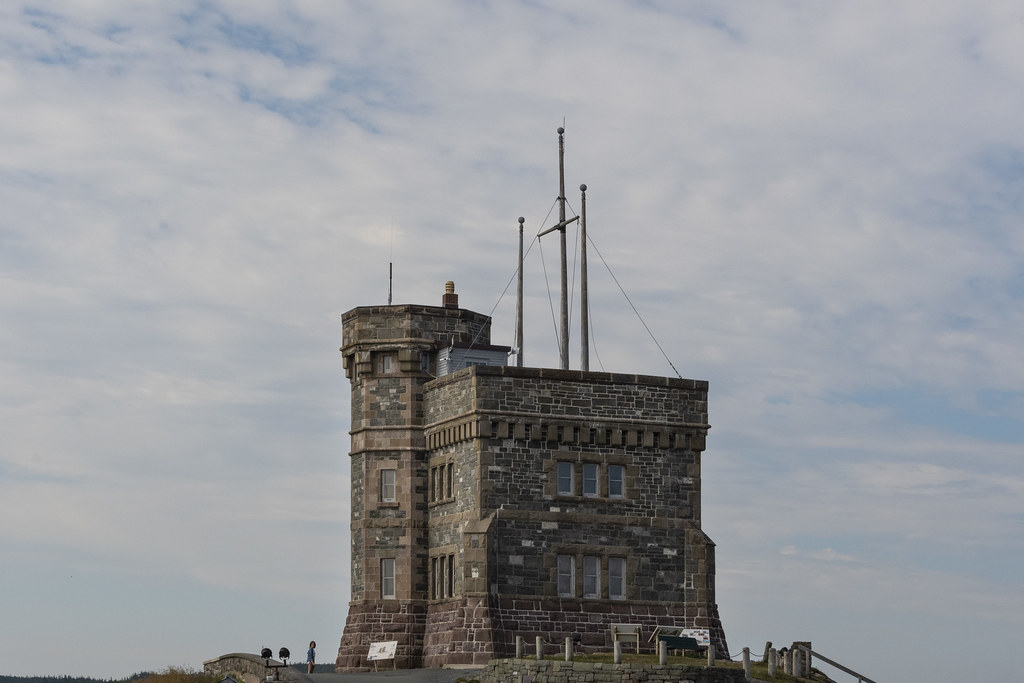
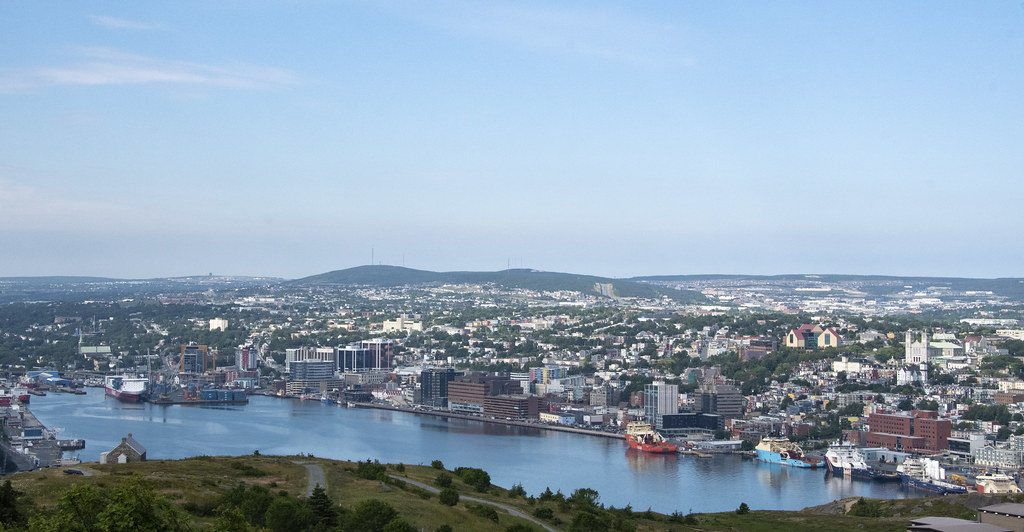
Our first stop was Cabot Tower on Signal Hill: There are many interesting things about this hill and iconic bit of Architecture. One is that this spot is where Guglielmo Marconi received the first trans-Atlantic wireless signal from Cornwall, England in 1901


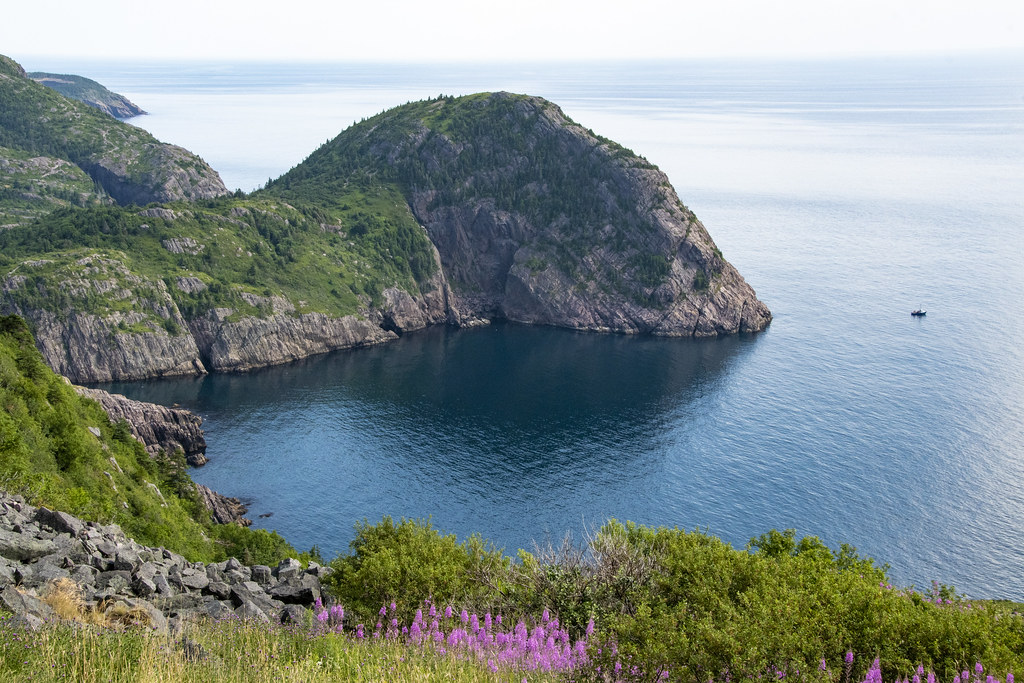

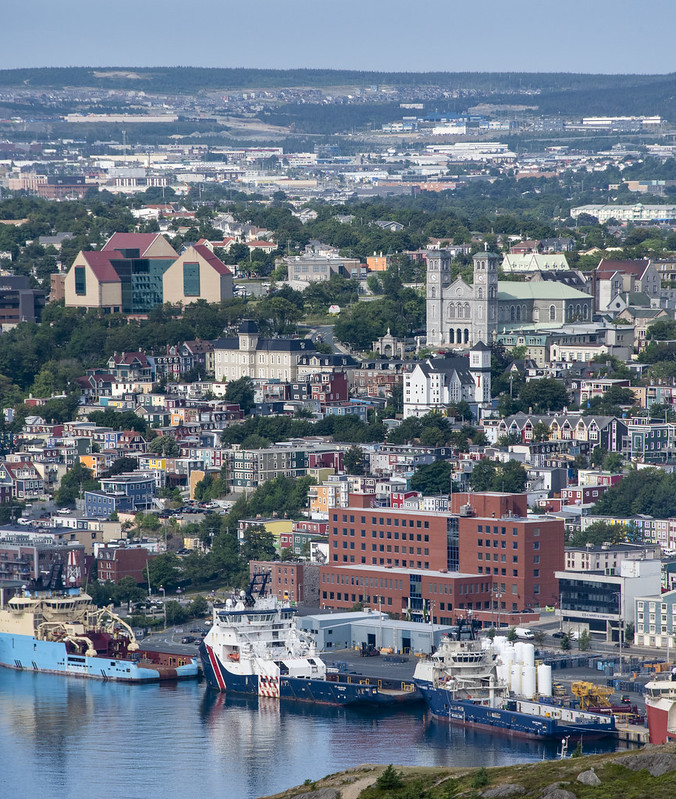


from : North Sydney, Nova Scotia : to : Marine Atlantic Ferry : to: Argentia, Newfoundland


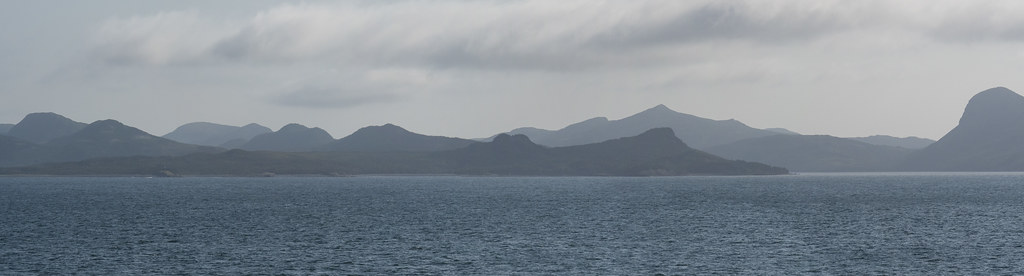

We did the Cabot Trail on a bus (well, ‘motorcoach’) – and I would not recommend that to anyone…
The shoreline is beautiful. In a car, on your own, where you can stop and enjoy the scenery, it could be a nice trip.
In a bus, trying to take pictures through bouncing/swaying tinted glass, it was really disappointing. The tour guide on the bus was great and told some good stories, but 10hrs on a bus was awful.


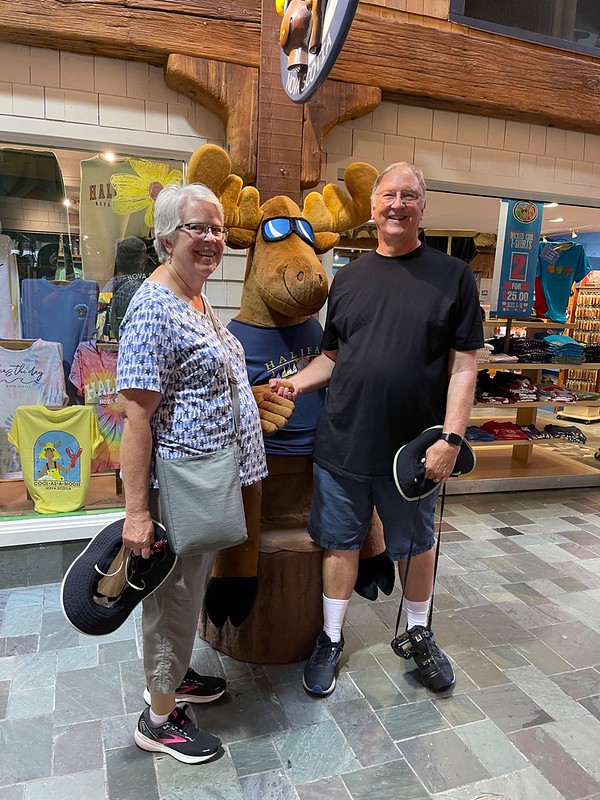
Halifax is the capital of the Province of Nova Scotia.
We did several things while at Halifax but the highlight was ‘sailing’ on the “Tall Ship Silva”.
It was a hot, sunny day. We had a delicious lunch at Los Toros Auténtico Español and enjoyed walking along the Halifax Harborwalk. We also visited “The Citadel-National Historic Park” which sits on top of the hill overlooking Halifax.
As we were returning from our sailing trip one of the Canadian Navy submarines set sail and cruised out right in front of us.


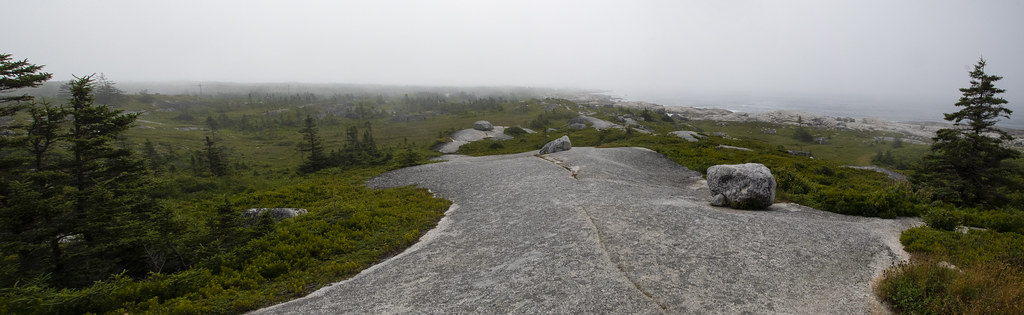
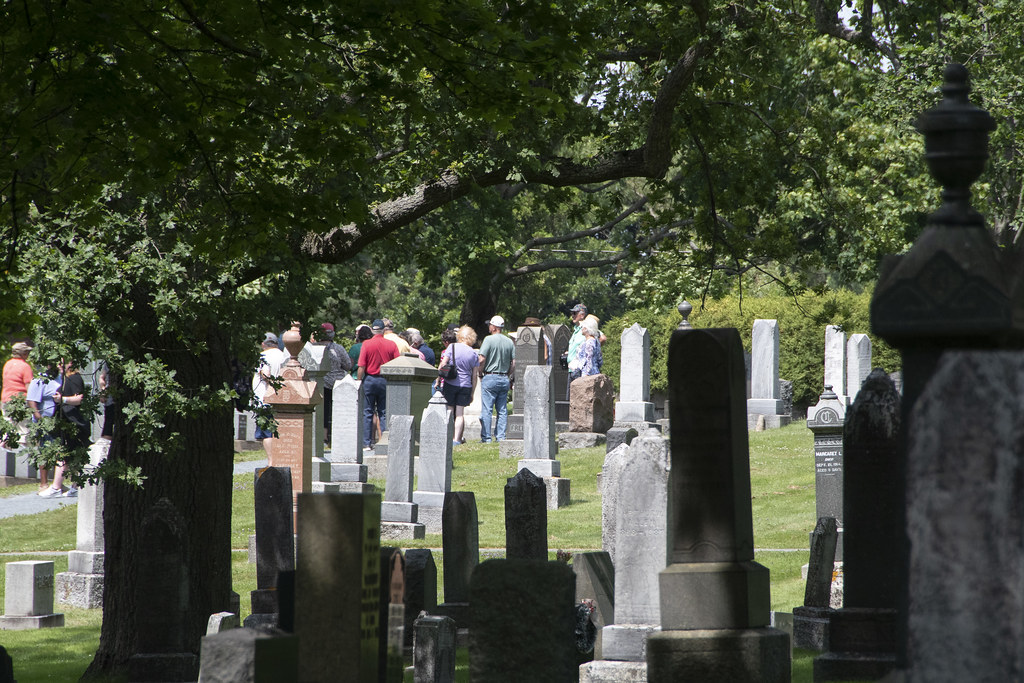
We visited Peggy’s Cove, Swissair Flight 111 Memorial, and the “Titanic Cemetery” (Fairview Lawn)


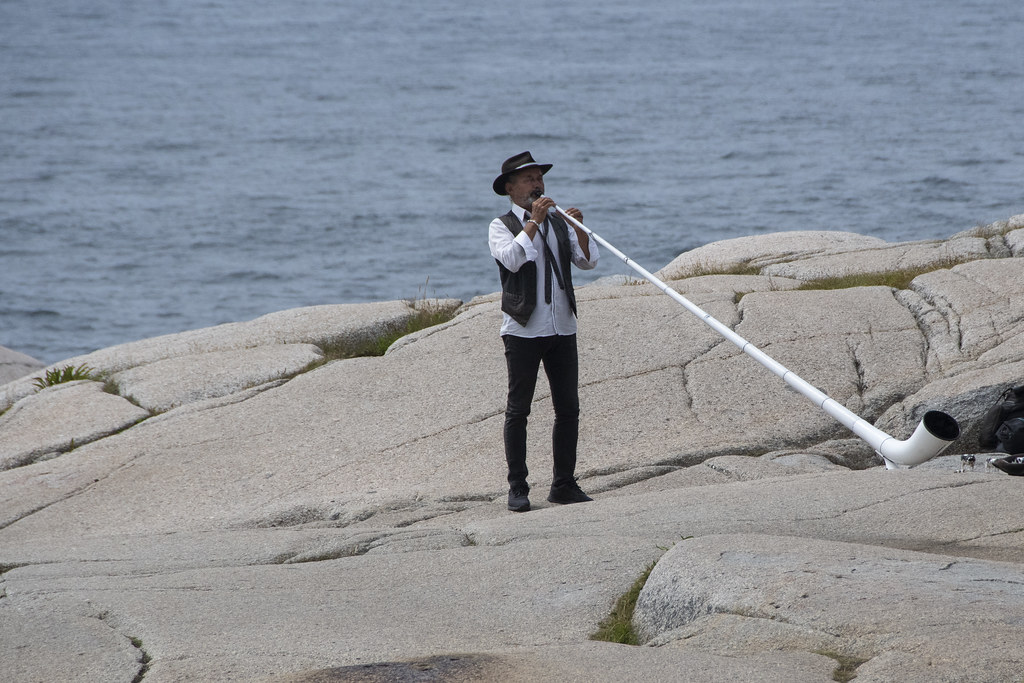




We really enjoyed our visit to Lunenberg: a very picturesque harbor town. The guide and displays at the “Maritime Museum of the Atlantic” helped explain the history of fishing in the area and of “The Bluenose”.


 DADart Photography